
Life in DeLamar, Nevada, the Notorious Maker of Widows Gold Mining Camp
This is to announce a new book for 2026: The Best of Times, the Worst of Times… Life in DeLamar, Nevada, the Notorious Maker of Widows Gold Mining Camp. The authors of the book are Dawna E. Ferris and William G. White, with contributions by Peter D. Rowley and Andrew Windes.
The authors of this new book tell the story of DeLamar, the principal mining camp of the Ferguson gold mining district, one of Nevada’s most productive districts at the turn-of-the-20th century. DeLamar first “boomed” between 1894 and 1909, when its mines yielded hundreds of tons of ore each month and the reduction mills ran 24/7, churning out more than $13 million dollars’ worth of gold bullion. During its heyday, DeLamar was also one of the most notorious mining camps in the intermountain West because so many miners and mill workers died of silicosis, a lethal respiratory disease, after inhaling the DeLamar devil dust. The town was called a “Widow-maker” and was more famous for its dangerous dust than its gold.
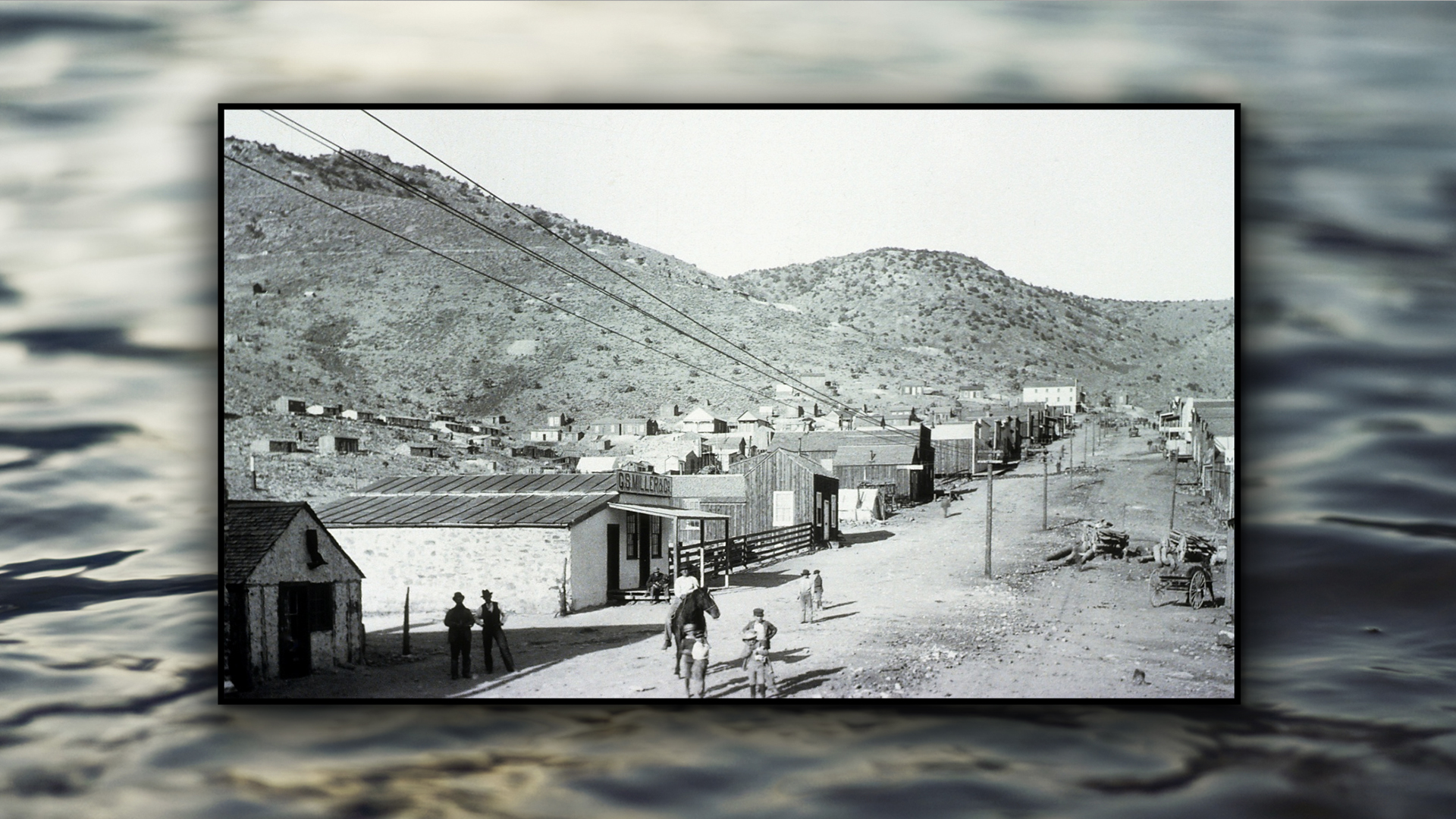
At various times during this boom period, 1,500 or more men, women, and children called this place home, went about their daily lives in a small but prosperous community, and had reason to be optimistic about its future. In the fall of 1909, however, the syndicate of investors with controlling interests in the major mines and mills abruptly shut down all work, claiming its operations were no longer profitable. Miners, mill workers, business owners, and residents left DeLamar in droves. While small-scale mining and milling continued intermittently in the district until the 1940s, it was not enough to resurrect this gold camp. Since that time, DeLamar has been a ghost town of dusty tailings dumps and roofless stone buildings that formerly housed general stores, saloons, and other businesses, along what was once a bustling Main Street.